Age-appropriate conversion of living spaces(s)
24. July 2024
Reading time:
2 minutes
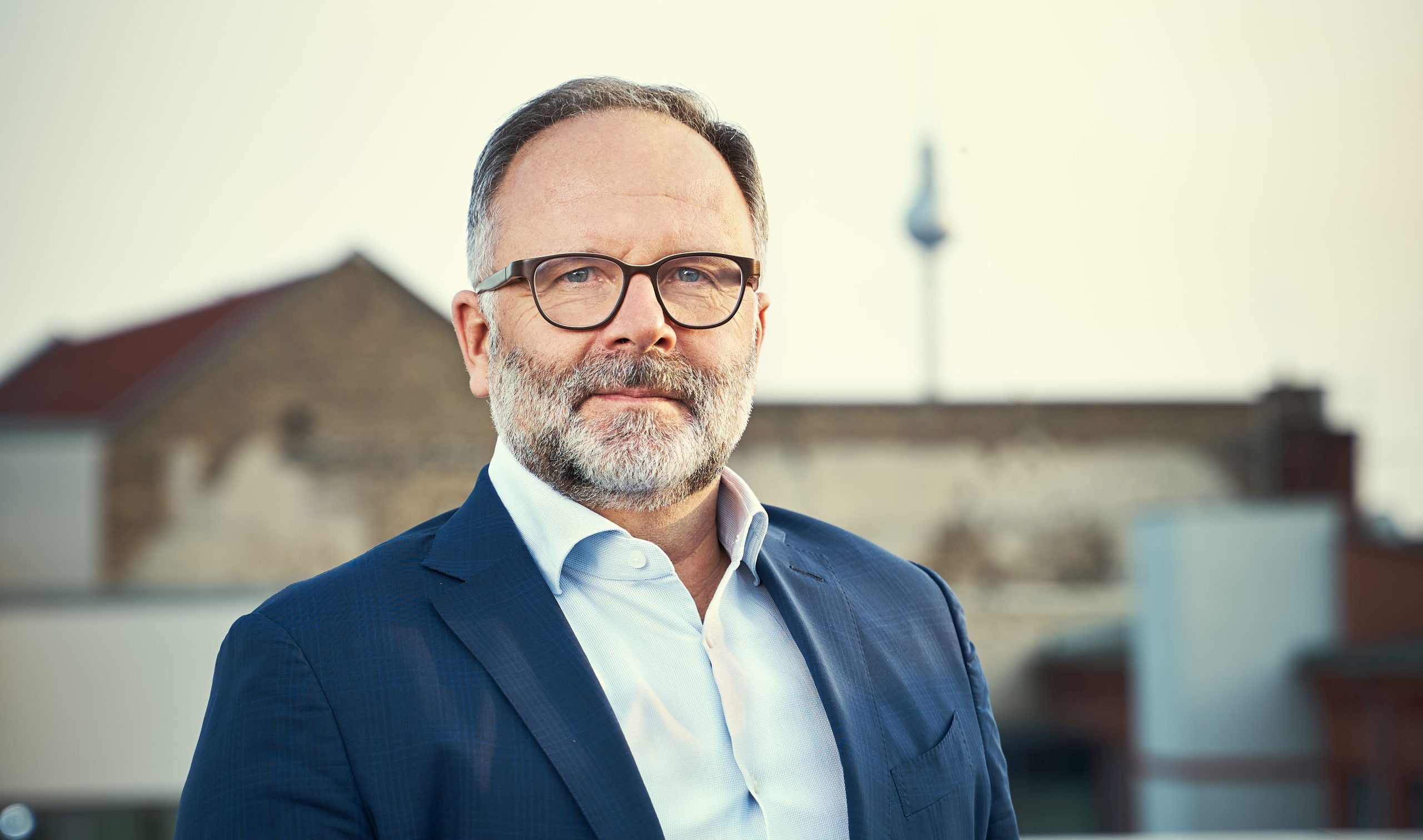
The SmartLivingNEXT application project BIM-4-CARE is working on the interplay of architecture and technology to enable people to age gracefully in their own homes. As part of a series of lectures to mark the 15th anniversary of Open Experience – consortium leader of the project – this topic was highlighted by Markus Neuber, Managing Director of the architectural firm ALN Leinhäupl + Neuber.
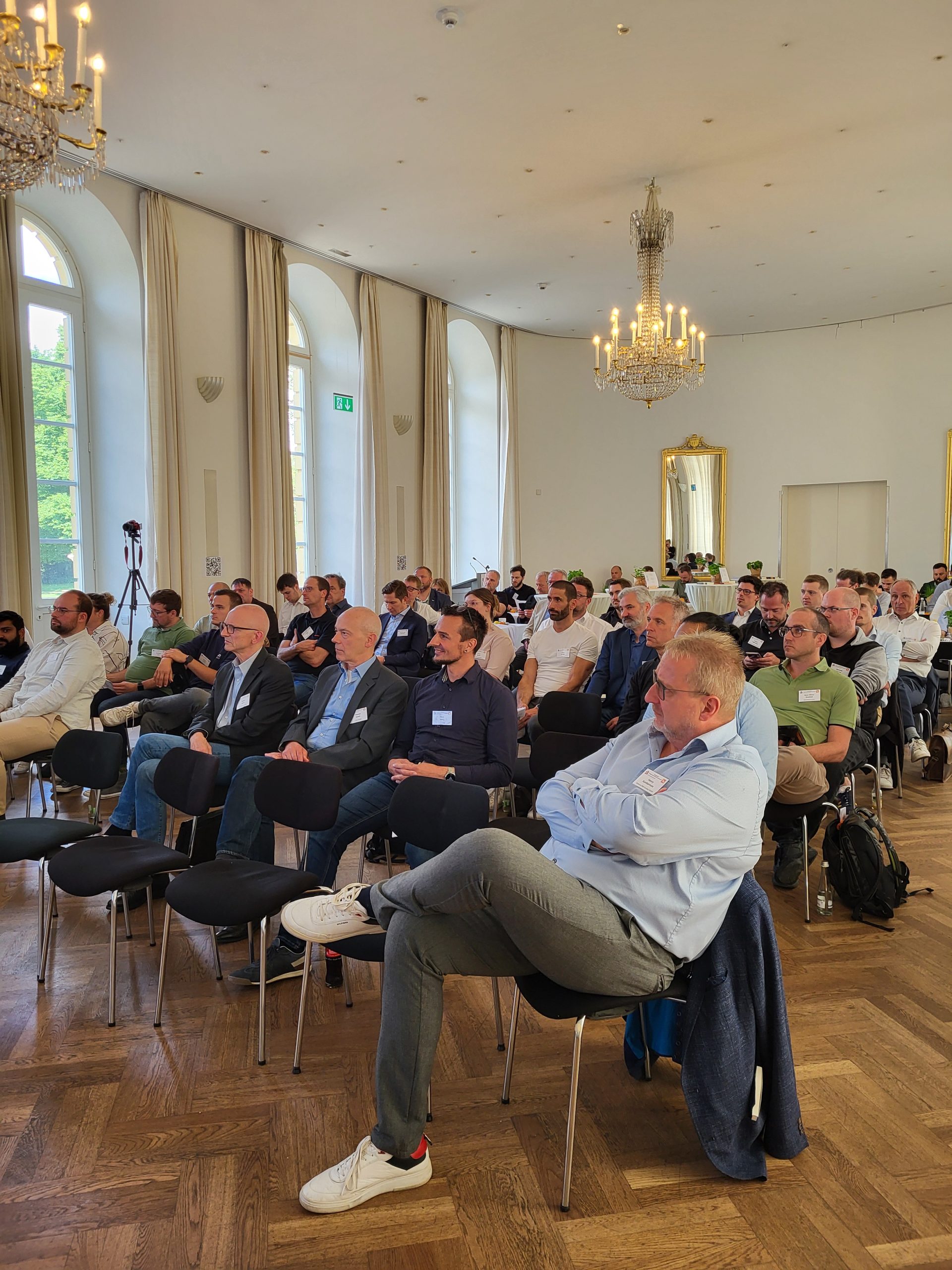
In an ageing society, there is a growing need to design homes in such a way that older people can live independently for as long as possible. In his presentation on age-appropriate conversion of living spaces, Markus Neuber explained how the combination of traditional architecture and modern technologies can be used to create living spaces(s) that meet the challenges of demographic change.
The first priority is to analyze existing housing situations and identify barriers and problems. To this end, room maps are being developed to document the living spaces and robots and sensors are being used to collect the data. In the long term, practical projects such as the conversion of old town houses are to be implemented as part of the project.
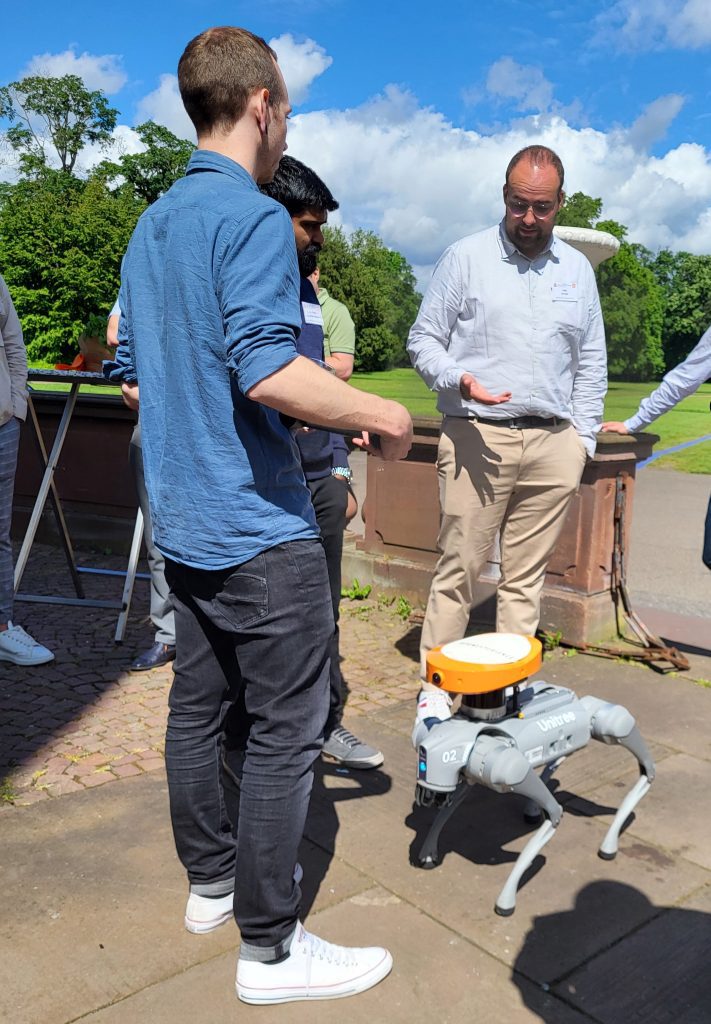
The vision pursued by BIM-4-Care is to create a comprehensive database to improve the housing stock for older people. The results are to be integrated into European data standards within the duration of BIM-4-CARE in order to enable broad application even after the end of the project.
“With Open Experience, we want to help ensure that people can live in their familiar surroundings for as long as possible. At BIM-4-CARE, we are using state-of-the-art AI to develop a platform that integrates knowledge and experience from care practice directly into construction planning,” explains Konstantin Krahtov, Managing Director of Open Experience GmbH.
Listen to the article (in German)
Editorial office:
Marla
Hanenberg
Category:
BIM-4-CARE

Central documents for SmartLivingNEXT
The white paper contains the guideline and reference framework for the future technical development of the SmartLivingNEXT Dataspace and the desired governance structure. It was created with the collaboration of teams from German Research Center for Artificial Intelligence (DFKI), the Research Association for Electrical Engineering at ZVEI e.V., Ludwig-Maximilians-Universität München (LMU) and Materna Information & Communications SE. You can have the white paper sent to you as a PDF. Please contact our project office at projektbuero@smartlivingnext.de.
The document is intended as a structuring investor perspective and orientation framework, not as a final business plan, and analyzes the possible roles of potential investors. It was written in collaboration with Michael Schidlack, Research Association for Electrical Engineering at ZVEI e.V., Dr. Rahild Neuburger, Ludwig-Maximilians-Universität München (LMU) and Lars Thomsen, future matters AG. You can have the document sent to you as a PDF. Please contact our project office at projektbuero@smartlivingnext.de.
Das Dokument erläutert im ersten Teil (Governance & Organisation) SmartLivingNEXT als föderiertes Datenökosystem und beschreibt die Rollen, Verantwortlichkeiten und Entscheidungslogiken. Der zweite Teil (technische Architektur & Datenraum) beschreibt, wie diese Governance technisch umgesetzt wird. Es entstand unter Mitwirkung von Michael Schidlack, Forschungsvereinigung Elektrotechnik beim ZVEI e.V., Dr. Rahild Neuburger, Ludwig-Maximilians-Universität München (LMU) und Fanni Vespermann, Materna Information & Communications SE. Sie können sich das Dokument als PDF zusenden lassen. Please contact our project office at projektbuero@smartlivingnext.de.