Data room for intelligent living: SmartLivingNEXT at the eSummit
28. May 2025
Reading time:
5 minutes
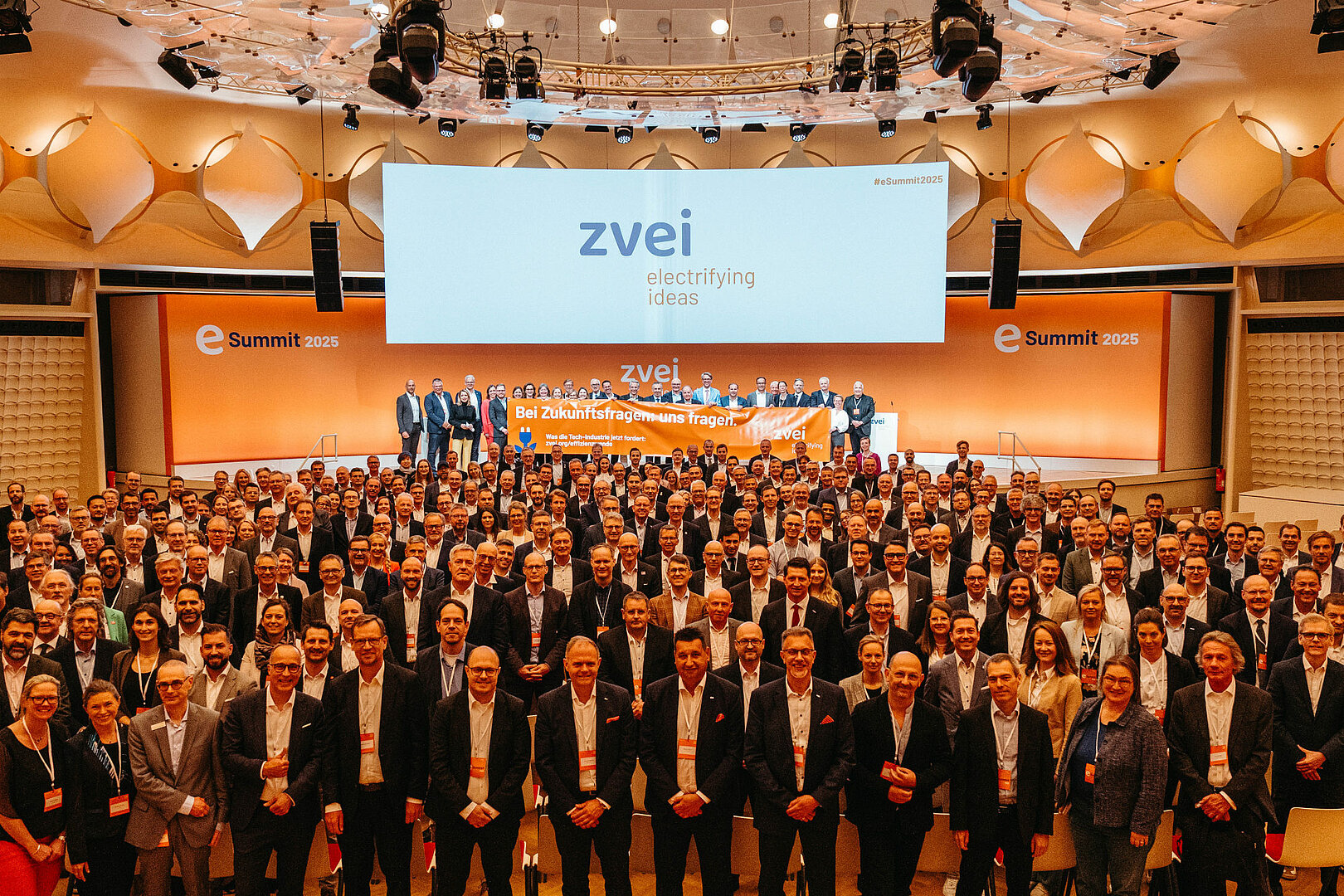
The digital transformation of the German economy needs platforms where innovation, networking and future issues come together. The eSummit of the German Electrical and Electronic Manufacturers’ Association (ZVEI) offers precisely this space – and has done so very successfully for many years. Under the motto “Daring to make more progress – together for a digital Germany”, the 22. and 23 May 2025 at the bcc Berlin Congress Center in Berlin to discuss key challenges and solutions for digitalization, decarbonization and demographic change.
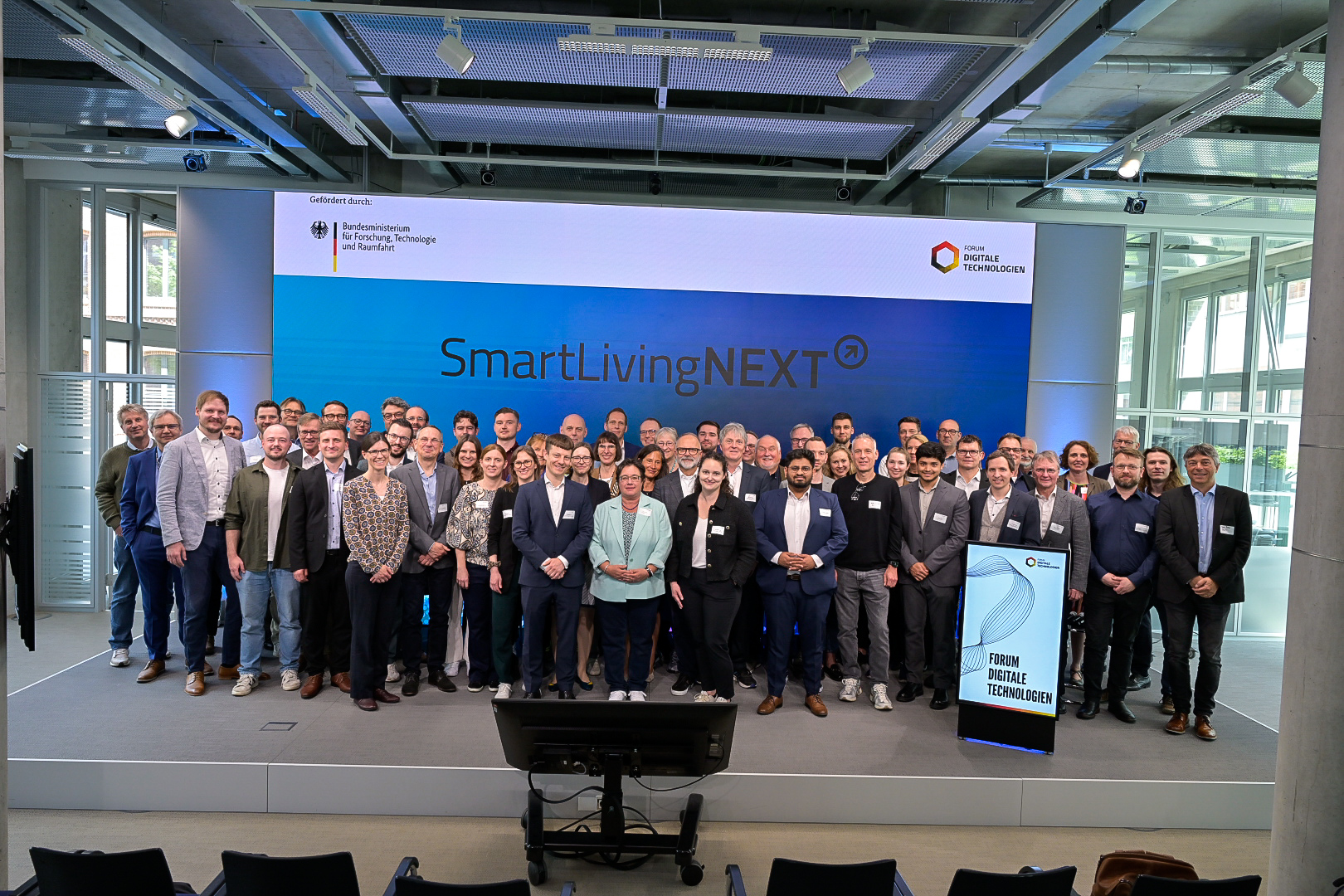
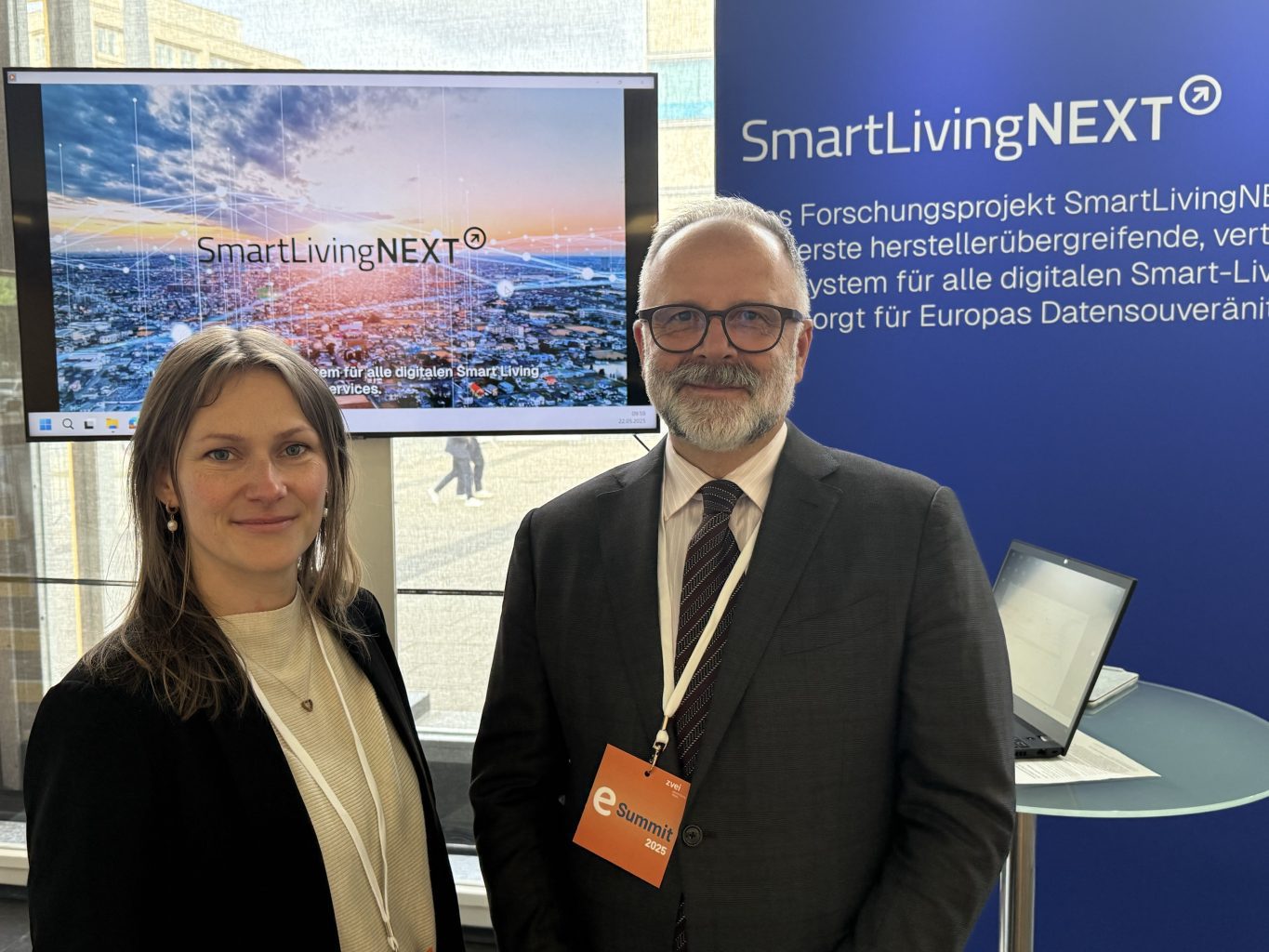
With the successful rollout of the Dataspace Blueprint more than six months ago, a central standard was created in SmartLivingNEXT that provides the basis for the smooth, interoperable exchange of data. Fanni Vespermann from Materna presented this at the SmartLivingNEXT stand.
In conjunction with the new Dataspace Blueprint Portal, it showed how data and service assets can be managed and orchestrated. The aim is to integrate data-driven services easily and securely into the smart living environment. “We already have access to large databases in many areas. However, these are generally organized as silos and do not speak the same language. This means that data is formatted differently, the input parameters for analysis tools are not congruent and there is a lack of overarching semantics, i.e. a language in which machines can speak to each other. With our Dataspace Blueprint, we can build an ecosystem through which the various data packages and services from the smart living sector can be offered and consumed,” says Vespermann.
Best practice: energy efficiency data portal and app
In addition to the development of a cross-building data ecosystem, SmartLivingNEXT is also researching the use case, the so-called energy efficiency data portal (EEDP). For the first time, real consumption data can be merged with data on the building fabric and data from utilities and municipalities in a data room and evaluated. This is used for planning by all parties involved, for example with regard to energy and heat planning or ensuring grid infrastructure and stability. The system thus creates digital interfaces between local authorities, energy suppliers and the housing industry.
In the energy efficiency use case, a smartphone app for energy cost transparency is also being developed for tenants in apartment buildings. Vespermann: “The app shows energy-saving tips for electricity consumption, tailored to the individual situation. This is also planned for heating. The smartphone app is also interesting for landlords when it comes to tenant electricity projects, for example, in which the landlord acts as an electricity trader and sells the renewable electricity produced from the roof of the photovoltaic system to the tenants. This makes the energy transition in existing and new buildings attractive for everyone involved.”
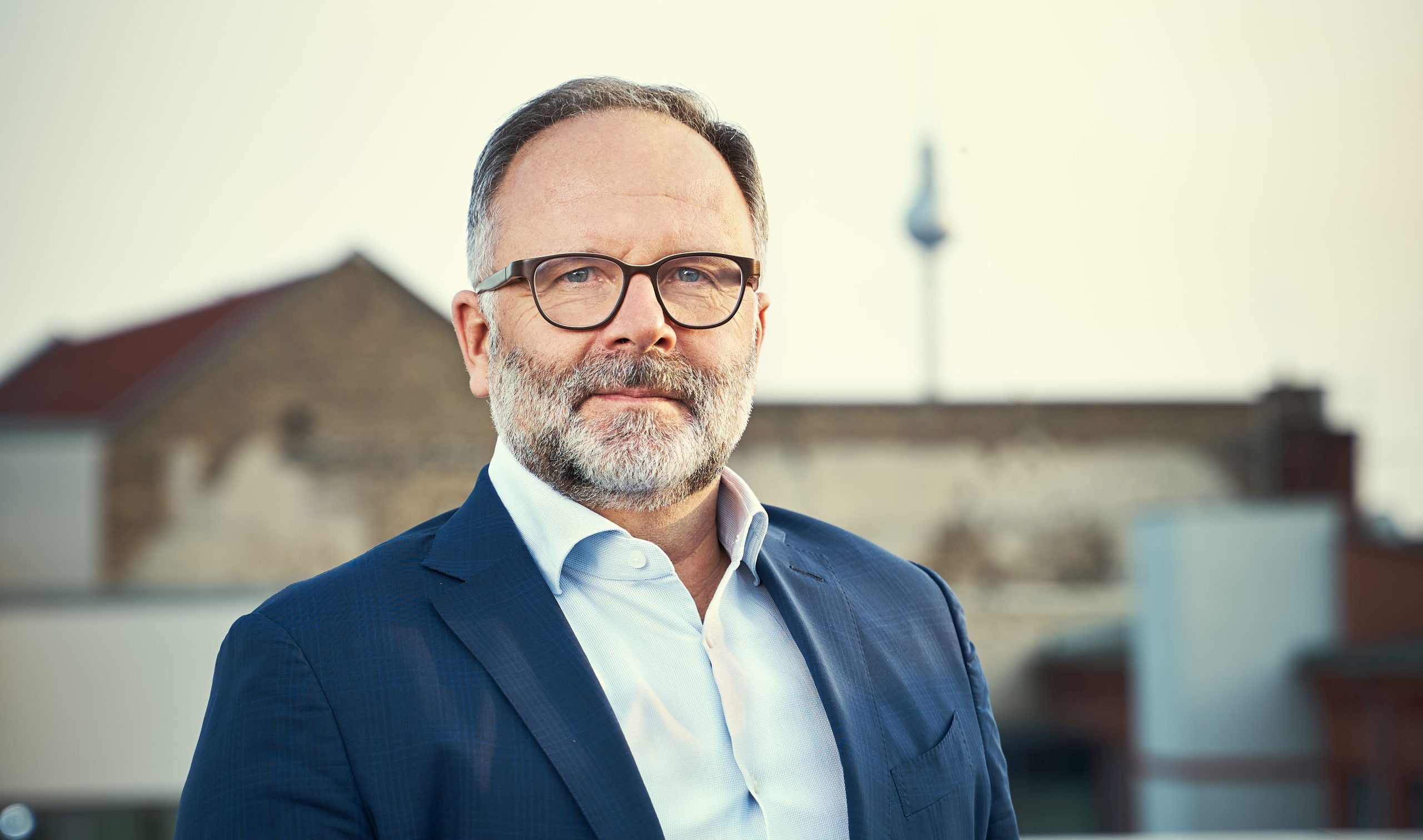
Michael Schidlack, Principal Researcher at the Research Association for Electrical Engineering (FE) at ZVEI e. V. and consortium leader in SmartLivingNEXT flagship project: “Thanks to the technology developed in the research project, we can finally use data independently of the technologies installed in the buildings. This is particularly interesting for existing buildings. This should give digital applications a massive boost to growth, as digital services based on the SmartLivingNEXT Dataspace can scale freely. This eliminates the previous need to align applications with specific systems installed in the building. This is comparable to the development of software applications for cell phones. Whereas until 2007, applications for cell phones – if they existed at all – had to be geared towards the specific device, since the introduction of smartphones on the mass market, applications have been able to be scaled as required. We expect a similar effect in building technology.”
Driving force for the digital home of the future
The eSummit 2025 was a complete success for SmartLivingNEXT. The research project was able to present itself as a driving force for the digital living of the future, make new contacts and gather valuable feedback from politics and business. Since its launch, the ZVEI event has established itself as a beacon format for the German electrical and digital industry. Every year, it brings together specialists and managers from business, politics, science and society. Once again this year, new technologies, strategies and collaborations were presented in lectures, panels, showcases and exhibitions. The main aim here is to make Germany more innovative, efficient and competitive.
Listen to the article (in German):
Editorial office:
Ilka
Klein
Category:
Flagship project
SmartLivingNEXT
Copyright information
© ZVEI/Munir Werner

Central documents for SmartLivingNEXT
The white paper contains the guideline and reference framework for the future technical development of the SmartLivingNEXT Dataspace and the desired governance structure. It was created with the collaboration of teams from German Research Center for Artificial Intelligence (DFKI), the Research Association for Electrical Engineering at ZVEI e.V., Ludwig-Maximilians-Universität München (LMU) and Materna Information & Communications SE. You can have the white paper sent to you as a PDF. Please contact our project office at projektbuero@smartlivingnext.de.
The document is intended as a structuring investor perspective and orientation framework, not as a final business plan, and analyzes the possible roles of potential investors. It was written in collaboration with Michael Schidlack, Research Association for Electrical Engineering at ZVEI e.V., Dr. Rahild Neuburger, Ludwig-Maximilians-Universität München (LMU) and Lars Thomsen, future matters AG. You can have the document sent to you as a PDF. Please contact our project office at projektbuero@smartlivingnext.de.
Das Dokument erläutert im ersten Teil (Governance & Organisation) SmartLivingNEXT als föderiertes Datenökosystem und beschreibt die Rollen, Verantwortlichkeiten und Entscheidungslogiken. Der zweite Teil (technische Architektur & Datenraum) beschreibt, wie diese Governance technisch umgesetzt wird. Es entstand unter Mitwirkung von Michael Schidlack, Forschungsvereinigung Elektrotechnik beim ZVEI e.V., Dr. Rahild Neuburger, Ludwig-Maximilians-Universität München (LMU) und Fanni Vespermann, Materna Information & Communications SE. Sie können sich das Dokument als PDF zusenden lassen. Please contact our project office at projektbuero@smartlivingnext.de.