SmartLivingNEXT: a building block for long-term emissions reduction in the property sector
26. April 2024
Reading time:
2 minutes
The SmartLivingNEXT data ecosystem leads to a sustainable reduction in greenhouse gas emissions in the property sector. Dr. Marieke Rohde, from the accompanying research project, explains why.
Greenhouse gas emissions in the property sector fell more sharply in 2023 than in 2022, according to the latest figures from the German Federal Environment Agency. This is actually good news – but on closer inspection, this decline cannot be clearly proven, as the Council of Experts on Climate Change emphasizes in its report from 15 April, 2024: In the property sector, these figures are based on model calculations due to a lack of data availability, which leads to a high degree of uncertainty.
In addition, the decline in emissions in the property sector is primarily due to warm weather conditions and the population’s reaction to the rise in gas prices. Thomas Heimer, member of the Council of Experts and of the SmartLivingNEXT accompanying research project, explains that these are, initially, short-term effects. Smart living applications could also achieve such energy savings in the long term and sustainably.
Marieke Rohde (VDI/VDE-IT), head of the SmartLivingNEXT accompanying research project, believes the key is in the SmartLivingNEXT ecosystem: “To achieve climate targets sustainably, we need technologies that help people to change their actions permanently. SmartLivingNEXT contributes to this.” In addition to saving energy, the focus is also on reducing costs in residential buildings: “The SmartLivingNEXT data ecosystem enables the development of applications in the areas of energy efficiency, care assistance, building management and home security, all of which reduce costs in residential buildings in the long term.”
Editorial office:
Marla
Hanenberg
Category:
SmartLivingNEXT
Copyright information
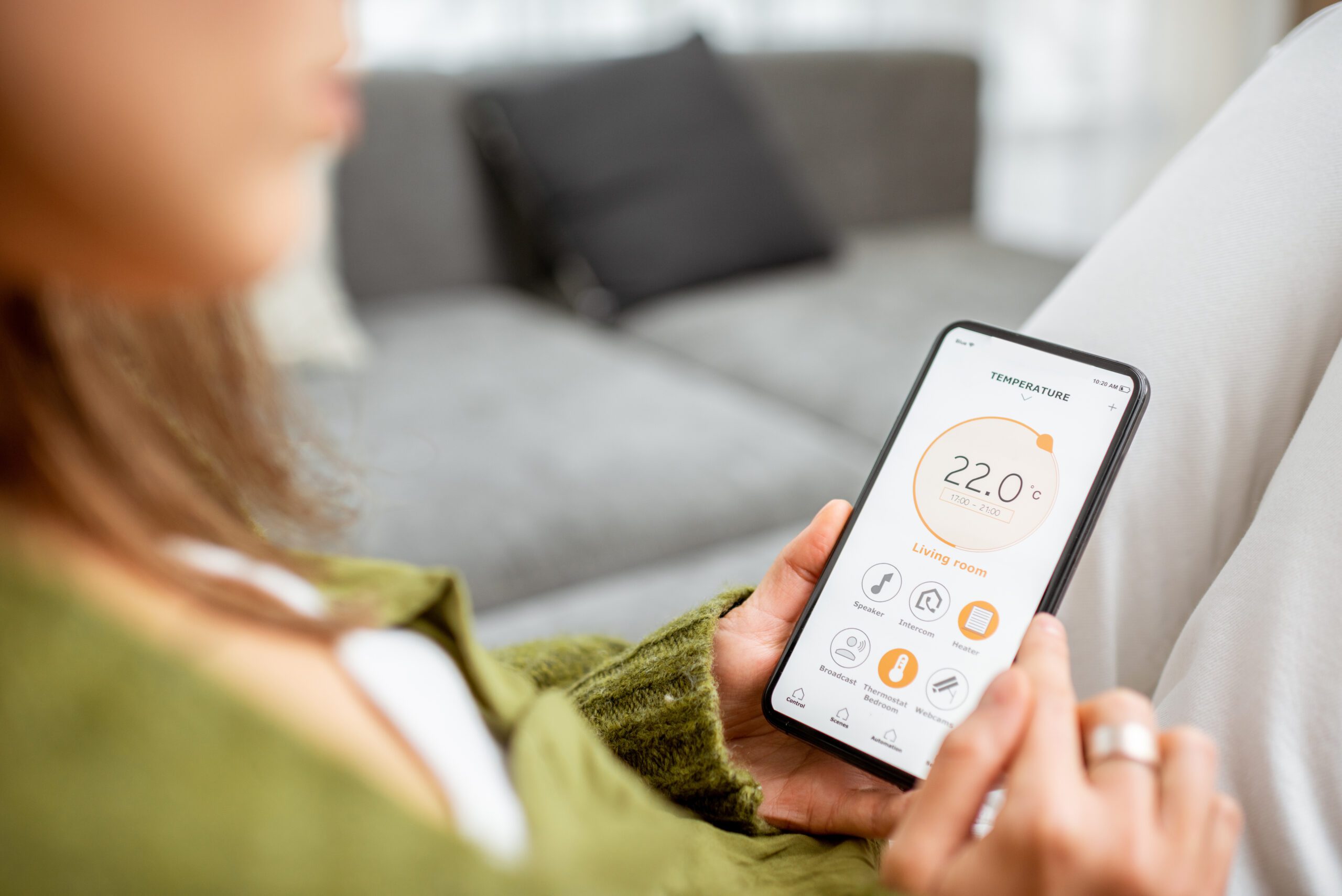
© rh2010 via stock.adobe.com

Central documents for SmartLivingNEXT
The white paper contains the guideline and reference framework for the future technical development of the SmartLivingNEXT Dataspace and the desired governance structure. It was created with the collaboration of teams from German Research Center for Artificial Intelligence (DFKI), the Research Association for Electrical Engineering at ZVEI e.V., Ludwig-Maximilians-Universität München (LMU) and Materna Information & Communications SE. You can have the white paper sent to you as a PDF. Please contact our project office at projektbuero@smartlivingnext.de.
The document is intended as a structuring investor perspective and orientation framework, not as a final business plan, and analyzes the possible roles of potential investors. It was written in collaboration with Michael Schidlack, Research Association for Electrical Engineering at ZVEI e.V., Dr. Rahild Neuburger, Ludwig-Maximilians-Universität München (LMU) and Lars Thomsen, future matters AG. You can have the document sent to you as a PDF. Please contact our project office at projektbuero@smartlivingnext.de.
Das Dokument erläutert im ersten Teil (Governance & Organisation) SmartLivingNEXT als föderiertes Datenökosystem und beschreibt die Rollen, Verantwortlichkeiten und Entscheidungslogiken. Der zweite Teil (technische Architektur & Datenraum) beschreibt, wie diese Governance technisch umgesetzt wird. Es entstand unter Mitwirkung von Michael Schidlack, Forschungsvereinigung Elektrotechnik beim ZVEI e.V., Dr. Rahild Neuburger, Ludwig-Maximilians-Universität München (LMU) und Fanni Vespermann, Materna Information & Communications SE. Sie können sich das Dokument als PDF zusenden lassen. Please contact our project office at projektbuero@smartlivingnext.de.